

Baptism Significance
“What shall we say, then? Shall we go on sinning so that grace may increase? By no means! We are those who have died to sin; how can we live in it any longer? Or don’t you know that all of us who were baptized into Christ Jesus were baptized into his death? We were therefore buried with him through baptism into death in order that, just as Christ was raised from the dead through the glory of the Father, we too may live a new life.
For if we have been united with him in a death like his, we will certainly also be united with him in a resurrection like his. For we know that our old self was crucified with him so that the body ruled by sin might be done away with, that we should no longer be slaves to sin—because anyone who has died has been set free from sin.” Romans 6:1-7
When you accept Christ and get baptized a shift is happening we are relating with Christ’s death. The old self that is self centered and ruled by sin gets put to the outside.

The old self must die. Baptism is important because the water becomes a watery tomb that our selfishness goes down into. When you rise up that watery tomb has now become a watery womb in which your new self rises. It is a demonstration and proclamation to your church body that you are putting the old self to the outside and putting Christ in the middle. (Notice that the old self does not disappear, it just gets put to the outside.)
- Your primary reality goes from being about you to being about Christ.
- The self centered “old self” is ruled by sin and flesh while the “new self” is ruled by the Spirit.
- In verse 4 from the scripture above, Paul uses the word “through” which is the Greek word DIA which means that baptism is the agency in which this takes place.
Policy On Baptisms of The Evangelical Covenent Church
The Evangelical Covenant Church has no formal creed to which it expects all of its members to subscribe other than the acceptance of the Scriptures as the “Word of God and the only perfect rule for faith, doctrine, and conduct.” The Covenant, however, has traditionally valued the historic confessions of the Christian Church particularly the Apostles’ Creed, as useful summaries of the essential message expressed in the Holy Scriptures.
This position of freedom within the limits set by the Scriptures and the central tradition of classical Christianity allows the Covenant to maintain unity within a diversity of secondary biblical doctrinal positions. Prominent among these in its potential for creating disunity and misunderstanding is the doctrine and practice of the sacrament of baptism. While the Evangelical Covenant Church comes out of a tradition in which infant baptism has been the primary understanding and practice, the Covenant chooses to respect the biblical positions of both infant and believer baptism equally. The Covenant recognizes this choice as a great challenge for the unity of the church in that these positions as classically stated become mutually exclusive at critical points of theology and practice.
The weight of the challenge to maintain the unity of the church within this diversity becomes the responsibility of Covenant pastors. If the Evangelical Covenant Church is truly to maintain this freedom of conscience for all Covenant people the pastors must be willing to submit their conviction and conscience concerning the doctrine and practice of baptism to the cause of the doctrine and unity of Christ’s church. Since Covenant ministers are the servants first of their Lord, but also of the church, it is their obligation to administer both infant baptism and believer baptism. Devoted christians have held each of these views and there is room for both in the Body of Christ. As representatives of the denomination pastors give to each its own dignity and legitimacy as an accepted interpretation of biblical baptism. This they do by administering both believer and infant baptism themselves. In this way they maintain the privilege of being the pastor of their entire flock.
Since the Covenant recognizes both infant and believer baptism as true baptism it requires all of its ordained and licensed pastors to respect and administer both of these recognized forms of baptism. In accordance with the above principle the following requirements apply to all Covenant pastors:
1. While Covenant pastors may, and must hold their own convictions concerning baptism, Covenant pastors must guard against presenting their own view in such a way as to disparage the other.
2. A Covenant pastor must be willing to administer both infant baptism and believer baptism.
3. A Covenant pastor must protect the right of the minority or majority (whatever its persuasion) to full participation and expression within the life of the church, always within the limits set by the Holy Scriptures and the principle of Christian freedom.
4. A Covenant pastor has the responsibility to exercise pastoral discernment in individual cases.
All Covenant pastors are called to be conscientious stewards before God of their biblical convictions. At the same time pastors must place the freedom of conscience of his or her whole flock and the unity of the Church above personal convictions in all matters which do not disturb the central truths of the faith. This document is a general policy for the Covenant and is the standard for future credentialing.
This statement, approved by the Covenant Ministerium, was adopted by the 1998 Covenant Annual Meeting.
FAQs About Baptism
Why Should I get Baptized?
- If you have made a commitment to Christ and you intend on pursuing Him your whole life, Baptism is strongly encouraged in the Bible (John 3:5, Galatians 3:27, Ephesians 4:5).
- It is by faith that we receive Jesus, but it is baptism that shows the faith, deepens it, and confirms it.
- Baptism is like a wedding ceremony. It does not need to happen in order for someone to get married but it brings a deeper meaning to it. Vows are exchanged and commitments are made. The same is true in baptism. We are making vows to Christ. You can have faith without baptism just like you can have a marriage without a ceremony.
- Christianity is by faith alone, but baptism is an important place where faith is confirmed and deepened.
What Do You Need To Be Baptized?
- You know the Lord Jesus and you have decided to make him Lord of your life.
- You want to do it, and you are making the decision.
I Was Baptized in Junior High and I fell into Sin After. Should I get Baptized Again?
- Although you may not have felt like that the baptism meant much to you at the time. It obviously meant something to God because He kept pursuing you after. Another baptism may not be necessary. Instead, take communion with a feeling of being back at the Lord’s Table.
Past Baptisms
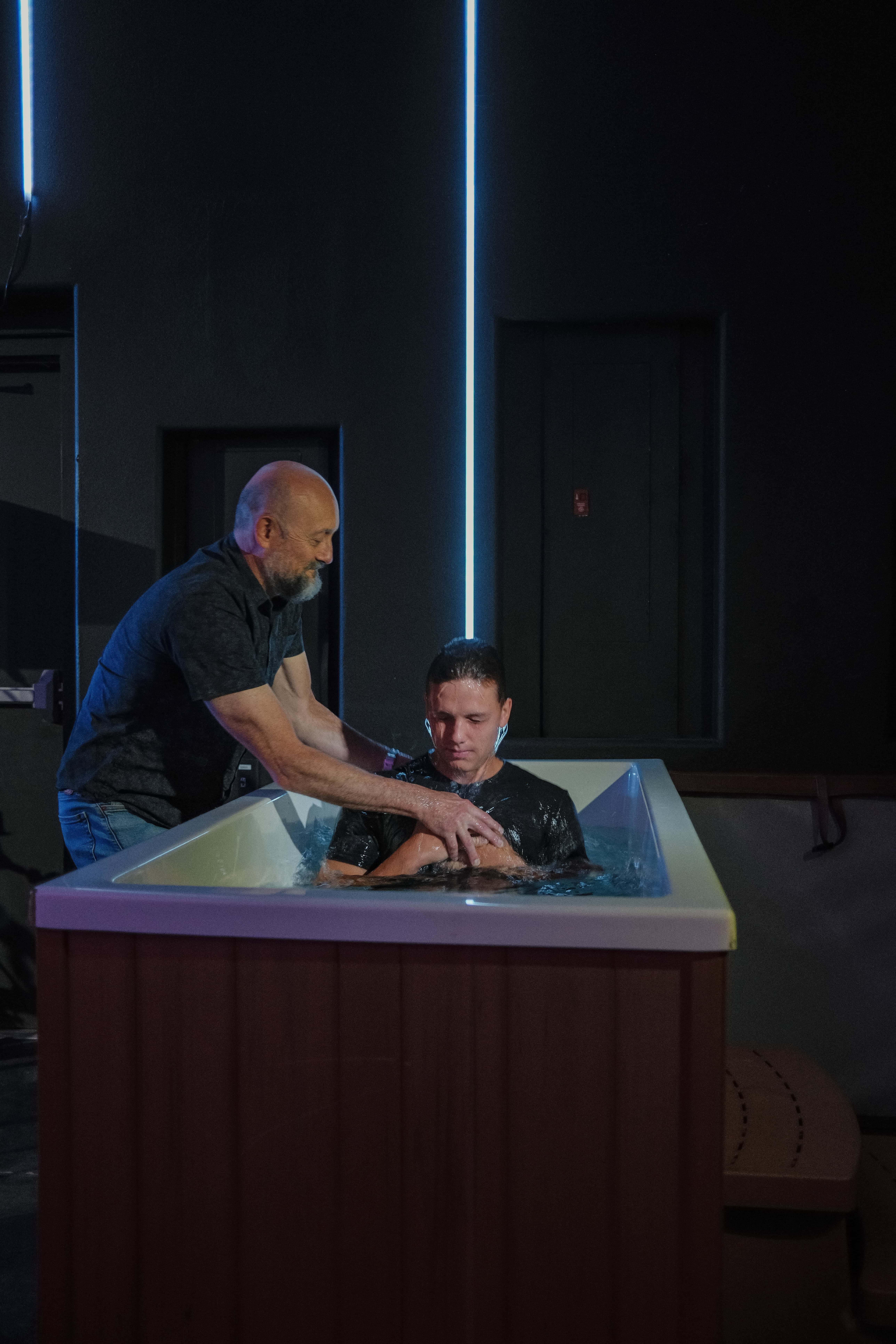





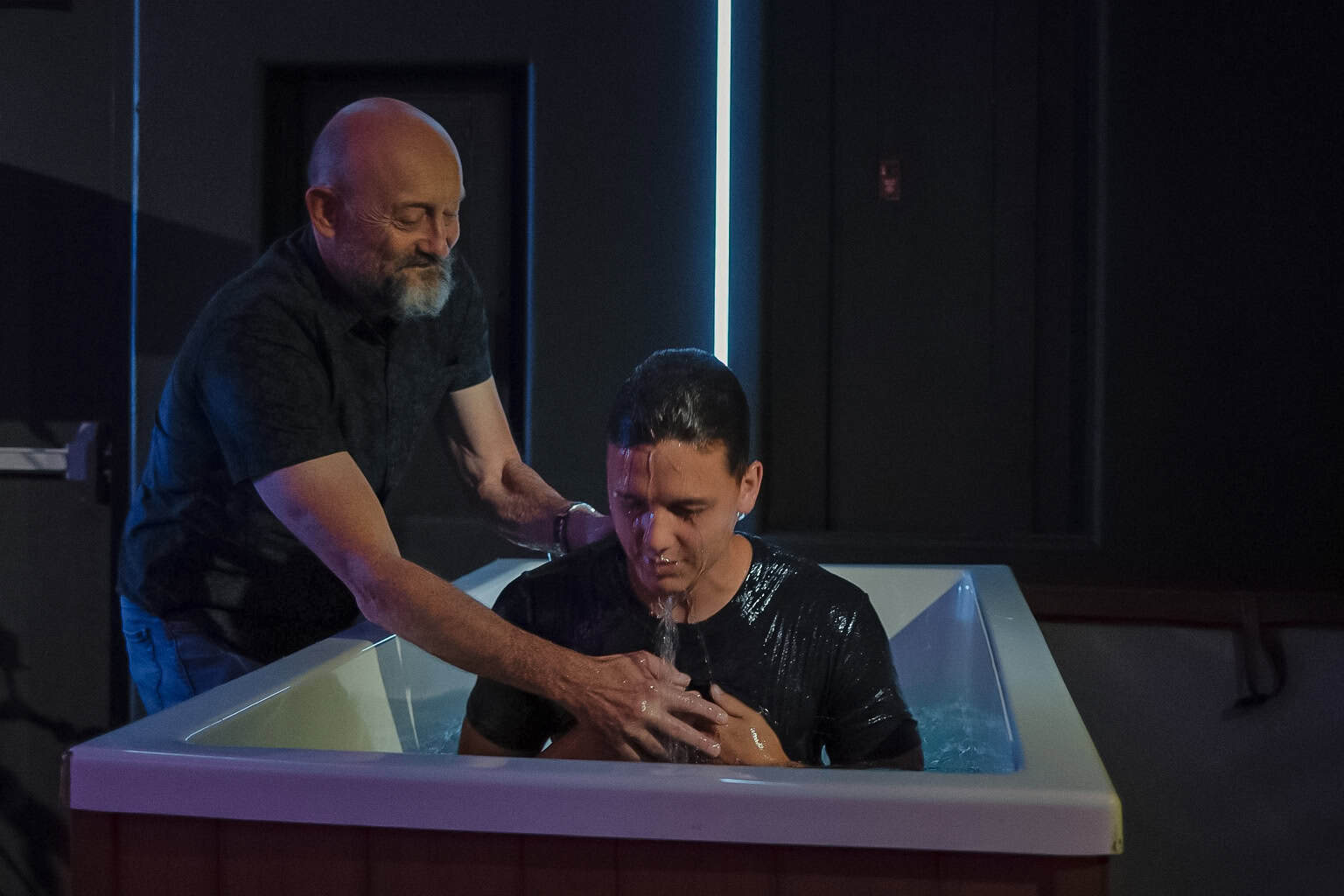

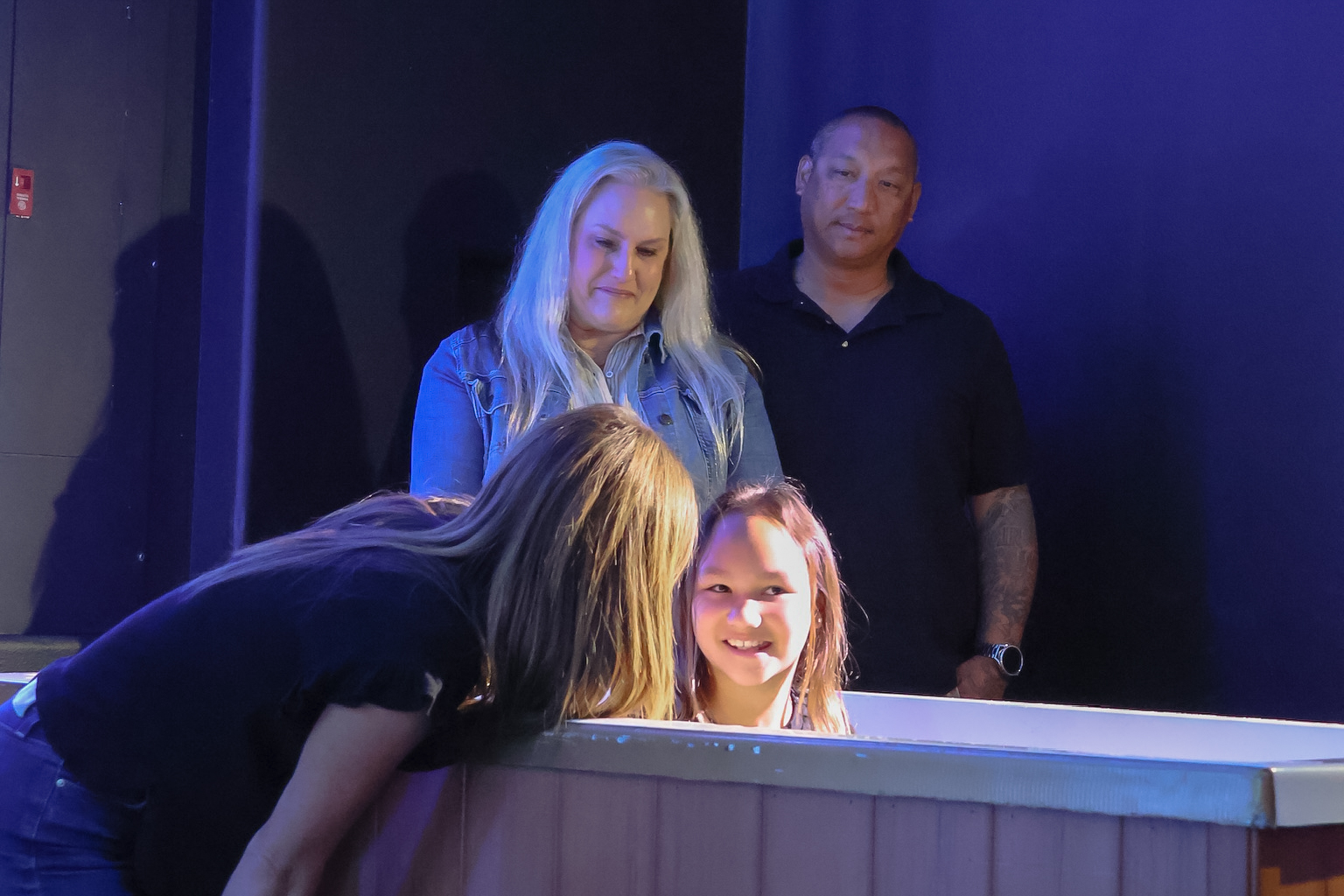
I Want to be Baptized, What’s Next?
- Pray about your decision.
- Sign up for an upcoming Baptisms Event Here
- Invite family and friends to come and be a part of your special day.
What Do I Bring or Wear?
- Show up to church with a change of clothes. During the service you will be notified when it is time to go change.
- Please do not wear anything white or see through. We would recommend some board shorts and a t shirt.
- Towel to dry off with.
What To Do After Baptism?
- Baptism is not a quick fix. It will not cure you of all of your problems. Your old self will always try to come back into the middle, but the Christian walk is all about staying close to the Lord so that you can keep Him in the center, always persevering to keep your old self out and Christ in the middle.
- When you find yourself struggling with Sin, remind yourself, “Thats not me anymore”.
- Ask yourself consistently, “What still has to die in me for Christ to become alive more vibrantly in my life?” What do you have to bury that is not buried yet? Christ cannot be more vibrant in your life if you do not make room for Him.
- Participate in communion and community with other believers.
Ministry Pastors’ Contact Information
-
- Adults: Canyon Springs Church Admin: info@canyonsprings.org
- Children & Youth (High School & Middle School): Lesley Hyatt, Childen’s Director: lesley@canyonsprings.org
After Baptism – What’s Next?
Take a few minutes and check out what takes place after your baptism! Baptism – What’s Next?